Skip to content

Ethical Underwear: Introduction
Ethical underwear is one of those purchases that feels insignificant right up until you take a step back and look at it properly. It is worn every day, washed constantly, replaced far more often than most other garments, and yet rarely questioned in terms of materials, production or waste. Most underwear is made from fossil fuel-based fibres, dyed heavily, wrapped in plastic and designed with a surprisingly short lifespan. Multiply that by billions of people, and suddenly the footprint is anything but small.
This week’s tip looks at how underwear quietly became a fast fashion problem, where the environmental impact really sits, and how ethical underwear reduces footprints without asking people to change how they live.

A Brief History of Underwear and How We Got Here
Underwear has existed for over 5,000 years, even if it was not always something people discussed openly. Ancient Egyptians wore linen loincloths as early as 3000 BC, chosen largely because linen stayed breathable and comfortable in extreme heat. Roman soldiers trained and fought in subligacula, a form of early underpants designed for movement and durability, showing that function has always mattered more than fashion.
During the Middle Ages, underwear was typically made from linen and washed more frequently than outer clothing, which mattered at a time when full bathing was uncommon. These garments lasted for years, were repaired repeatedly, and fabric itself was valuable enough that waste was rare.

The Industrial Revolution marked the first major shift. Mechanised knitting, standard sizing and factory production turned underwear into a mass-market product. Elastic followed in the early twentieth century, speeding up production and lowering costs even further.
The real turning point arrived in the 1970s, when synthetic fibres such as polyester and nylon flooded the market. Underwear became lighter, cheaper and easier to replace, durability quietly disappeared, and replacement cycles shortened dramatically. A garment once designed to last years became disposable in months, and that moment is where today’s footprint problem really begins, even if most people never noticed it happening.
The Environmental Footprint of Non Ethical Underwear
Most underwear today is made from polyester, nylon or elastane, all derived from oil and gas. Producing one kilogram of polyester generates roughly 9 kilograms of CO₂ before the garment is even worn, and those fibres shed microplastics every time they are washed. The International Union for Conservation of Nature estimates that synthetic textiles are responsible for around 35 per cent of primary microplastics in the ocean, much of it coming from everyday clothing.
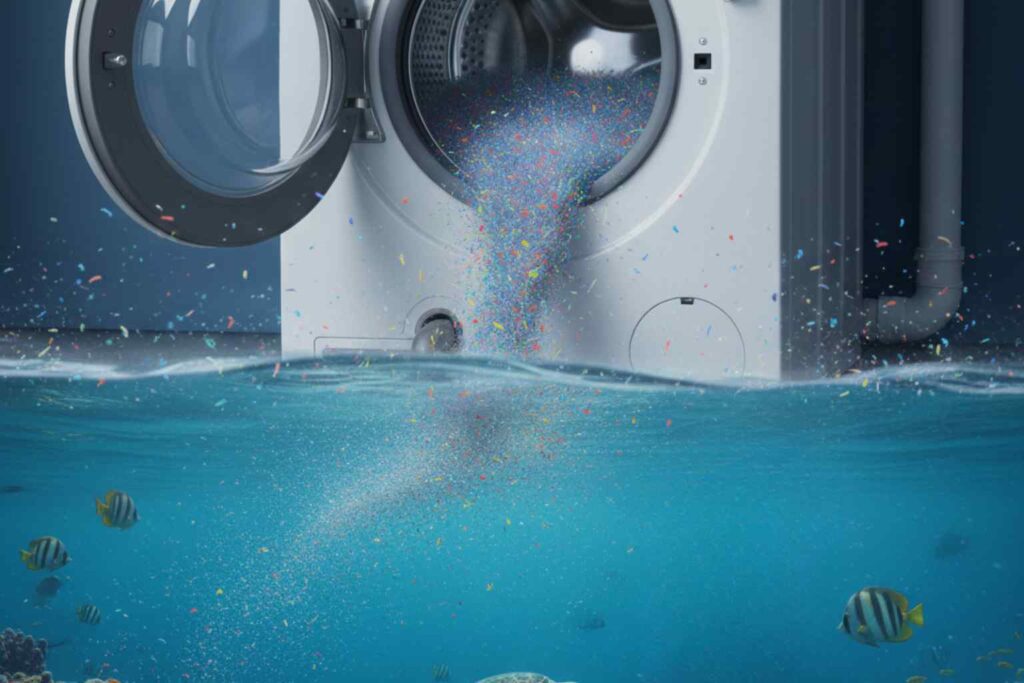
Water use adds another layer of impact. Conventional cotton relies heavily on irrigation and chemical inputs, with cotton farming accounting for a disproportionate share of global insecticide use. Dyeing and finishing processes then pollute waterways in manufacturing regions, often affecting ecosystems and communities far beyond the factory gates.
Underwear also has a short life cycle by design. Loss of shape, stretched elastic and blended fabrics mean items are frequently discarded and rarely recycled, leaving landfill or incineration as the default outcome. Ethical underwear reduces footprint by addressing materials, production and durability together, cutting waste at source rather than shifting it elsewhere.
What to Look For When Choosing Ethical Underwear
Start with the basics, because this is where most of the footprint sits. Materials such as organic cotton, bamboo viscose, TENCEL and recycled fibres reduce water use and chemical inputs compared to conventional alternatives, while certifications such as GOTS and OEKO-TEX help verify those claims and avoid harmful substances coming into contact with skin.
Construction matters just as much. Well-made underwear lasts longer, which directly reduces footprint by lowering replacement frequency. Poor fit often leads to early disposal, so better design quietly cuts waste without encouraging more consumption.

This is where wellbeing naturally comes into the picture. Ill-fitting underwear, particularly bras, is a common and under-recognised wellbeing issue, affecting comfort, posture and focus during the working day. When underwear does not fit properly, it is often replaced quickly rather than worn out, increasing waste. Supporting better fit, whether through improved design or workplace wellbeing allowances, can reduce unnecessary churn while improving daily comfort.
Packaging is part of the story as well. Ethical underwear brands usually avoid plastic wrap, opting for recyclable or compostable options instead. It’s a small detail, but it plays a real role in cutting overall footprint.
Three Ethical Underwear Brands Worth Knowing
Peachaus
Peachaus takes a considered approach to ethical underwear, focusing on responsible materials, thoughtful design and longevity rather than fast turnover. Their emphasis on durability helps reduce how often garments need replacing, which is where a large part of underwear’s footprint sits. It is a practical, low-noise approach that tackles waste at source rather than trying to patch it later. Use voucher code PLAYITGREEN15 for 15% off your first order.
Visit the Peachaus Website
Organic Basics
Organic Basics is well known for using organic and recycled materials and being open about how and where its products are made. Their focus on everyday essentials that last longer helps cut down replacement cycles, while lower-impact fabrics reduce water and chemical use across production. It is ethical underwear done without gimmicks. Use voucher code NAE10 for 10% off your first order.
Visit the Organic Basics Website
Nudea
Nudea is a UK-based underwear brand focused on fit, comfort and longevity, particularly when it comes to bras. Their designs are built to be worn daily, not just tried on once, which helps reduce the cycle of failed purchases and early replacement. By prioritising proper fit, inclusive sizing and durable materials, Nudea tackles both wellbeing and footprint at the same time, making ethical underwear feel practical. Use voucher code FAREWELL for 15% off your first order.
Visit the Nudea Website

Ethical Underwear: Wrap Up
Ethical underwear shows how footprint reduction often sits in the everyday, not the headline acts. Better materials, longer-lasting design, and fewer failed purchases quietly reduce waste without asking anyone to change their routine. When fit improves, garments stay in use for longer, which cuts churn and frustration at the same time.
At Play It Green, we focus on choices that stack up. Underwear is worn daily, replaced often and rarely questioned, which makes it a powerful place to reduce footprint in a way that actually sticks. When enough people make these small, practical shifts, the impact adds up faster than most realise.

If you enjoyed this tip on ethical underwear, why not become part of a community creating positive change by partnering with Play It Green?
We help you reduce your footprint, repair the planet, and regive to social causes that matter, all through simple, measurable actions that fit your business.
Modern employees, consumers, and investors want to see impact, not promises. With Play It Green, your sustainability journey becomes visible, credible, and rewarding.
Join us today and turn good intentions into lasting results.