 Skip to content
Eco-Friendly Toothbrushes: Introduction
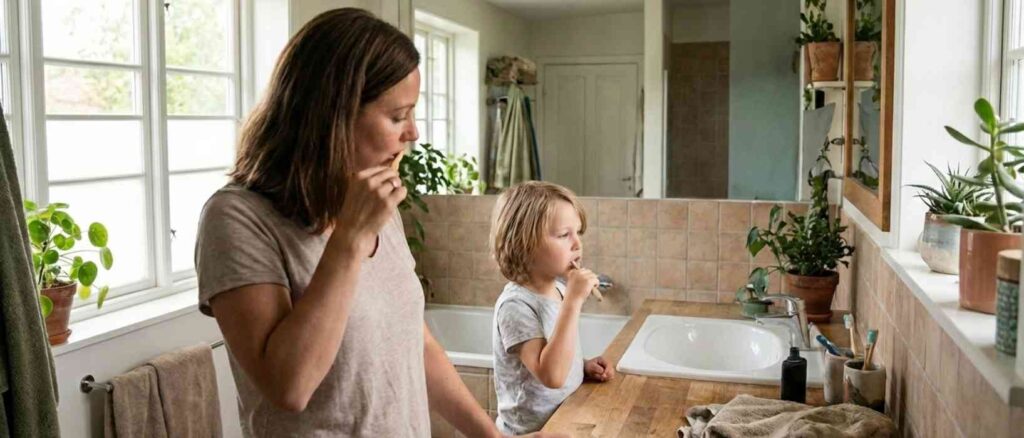
Eco-Friendly Toothbrushes are rarely talked about, yet they sit quietly at the centre of a global plastic problem. Most of us replace a plastic toothbrush every few months without thinking twice. Scaled across billions of people, that routine creates billions of items that cannot be recycled and will outlive us by centuries.
This is what makes toothbrushes such a powerful place to act. The habit does not need to change. You still brush twice a day. The only difference is the material in your hand. One simple product swap removes a repeated source of unnecessary plastic from daily life.
Eco-friendly toothbrushes show how small design choices, made consistently, can reduce waste without adding effort.

A Brief History of Tooth Cleaning
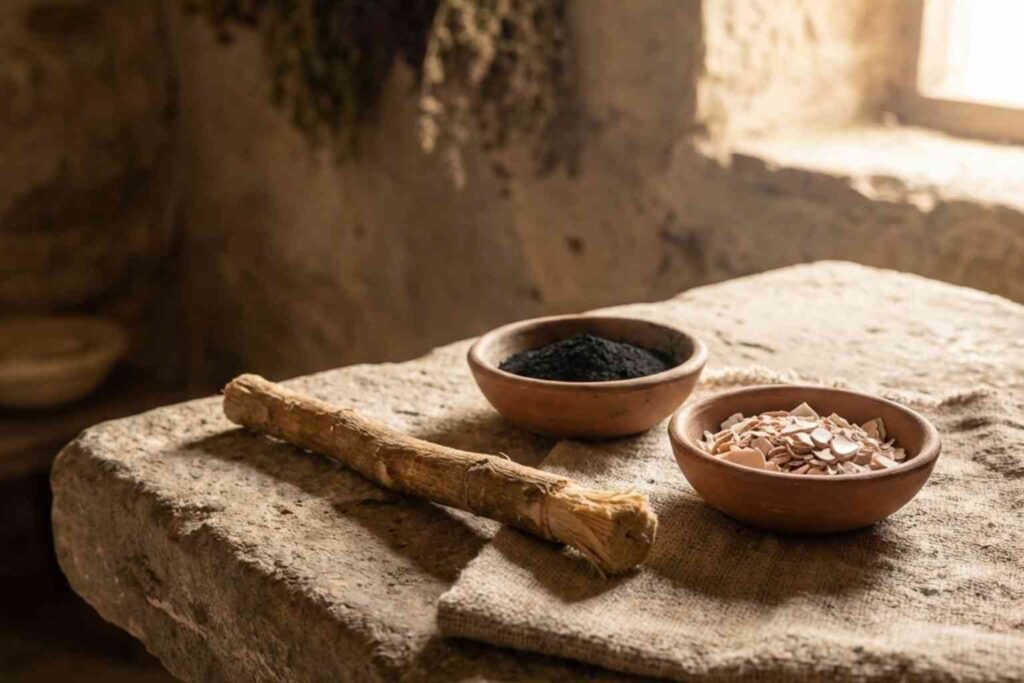
Long before plastic entered the bathroom, humans were already paying close attention to oral hygiene. Ancient Egyptians, more than 5,000 years ago, cleaned their teeth using frayed twigs and abrasive powders made from crushed eggshells, ash, and pumice. By modern standards, it sounds uncomfortable, yet these early methods were surprisingly effective.
Across the Middle East, the miswak chewing stick became a widely used daily tool, valued not just for convenience but for its cleansing properties. What makes miswak particularly interesting today is that modern research has shown it contains natural antibacterial compounds, meaning this ancient practice was quietly grounded in science long before laboratories existed.
In China, around the 15th century, the first recognisable toothbrush began to appear, using hog hair bristles fixed into bamboo or bone handles. These brushes worked well, but production was limited, and they remained far from everyday items for most people.
It was not until the mid-20th century that plastic toothbrushes became common, when nylon bristles and moulded handles made them cheap, durable, and easy to mass-produce. That convenience transformed brushing into a universal habit, but it also introduced a form of waste that, once created, never truly goes away.
The Environmental and Health Impact of Non Eco-Friendly Toothbrushes
An estimated 3 to 4 billion plastic toothbrushes are thrown away globally every year. Most are made from mixed plastics that cannot be recycled. They end up in landfills, incineration, or the natural environment, where they can persist for centuries.
Plastic toothbrushes are typically made from polypropylene handles and nylon bristles. Over time, plastic products break down into smaller fragments. Microplastics have now been detected in human blood, lungs, and placental tissue. A single toothbrush is not the main driver of this issue, but cumulative exposure matters.
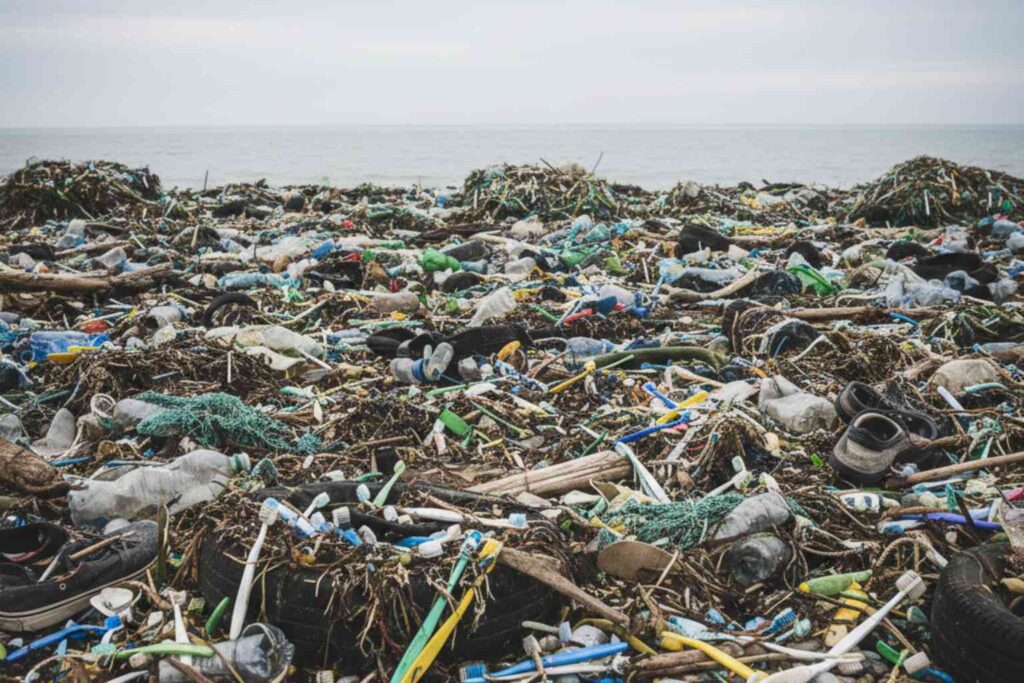
There is a health angle too. Microplastics can act as carriers for chemicals and bacteria, and research into long-term effects is still developing. Reducing avoidable plastic items is one sensible way to lower overall exposure.
Eco-friendly toothbrushes do not solve the plastic crisis alone, yet they remove a repeated, unnecessary source of waste from daily life. Plus, they are no doubt healthier and more sustainable and not fossil-fuel-based!
What to Look for in Eco-Friendly Toothbrushes
Choosing well means being honest about trade-offs.
Bamboo handles are the most common alternative to plastic. Bamboo grows quickly and needs fewer inputs than many materials. That said, bamboo toothbrushes are not fully compostable out of the box. Almost all still use nylon bristles, which must be removed before composting the handle. Some brushes are coated with varnishes or resins that limit compostability, so clear labelling matters.

Design is just as important as materials. Toothbrushes with replaceable heads can reduce waste more effectively than swapping the entire brush every few months. Fewer handles used over time usually means lower impact.
Packaging deserves attention, too. Plastic-free, minimal packaging reduces waste further and signals that the brand has thought beyond the product itself.
Finally, durability counts. A well-made brush that lasts its full lifespan without splitting or shedding bristles is better than a poorly made alternative, even if the materials look greener on paper.

Three Eco-Friendly Toothbrush Brands Worth Knowing
Truthbrush
Truthbrush is a UK-based brand making bamboo toothbrushes with plastic-free packaging and clear, honest communication. Their handles are responsibly sourced, and their bristles are made from castor oil bioplastic rather than petroleum-based plastic. These still need removing before composting, but are one of the lowest-impact options available. Truthbrush donates profits to charity, rebalances shipping emissions through tree planting, and is a certified B Corp.
💚 Use code PLAYITGREEN15 at checkout for 15% off
The Humble Co.
The Humble Co. take a design-led approach to reducing waste. Alongside bamboo options, they offer toothbrushes with replaceable heads, which can reduce material use over time. They are clear about materials, avoid exaggerated claims, and support oral health projects globally.
💚 Use code HUMBLE15 at checkout for 15% off
Hydrophil
Hydrophil focus on transparency and responsible sourcing. Their bamboo toothbrushes come with plastic-free packaging and carefully worded disposal guidance. They avoid “perfect product” claims and balance hygiene with environmental responsibility. Buy Hydrophil at The Big Green Smile.
🔗 https://thebiggreensmile.com/hydrophil
Eco-friendly toothbrushes: Wrap-up
Eco-friendly toothbrushes will not fix plastic pollution on their own, yet they remove a product we replace again and again from the problem pile. The habit stays the same. The waste does not.
At Play It Green, we see progress built through practical swaps that people actually stick with. When thousands of small, repeated choices change, the impact adds up fast. If you are already brushing twice a day, switching to a better toothbrush is one of the simplest upgrades you can make.
Small change. Daily action. Collective impact.
If you enjoyed this tip on the eco-friendly toothbrushes, why not become part of a community creating positive change by partnering with Play It Green?
We help you reduce your footprint, repair the planet, and regive to social causes that matter, all through simple, measurable actions that fit your business.

Modern employees, consumers, and investors want to see impact, not promises. With Play It Green, your sustainability journey becomes visible, credible, and rewarding.
Join us today and turn good intentions into lasting results.


