

Company Investment in Sustainability: Introduction
Company investment in sustainability is growing fast in 2025, and not just for appearances. It’s becoming a core part of business planning, helping firms deal with energy costs, supply chain problems, and growing pressure from regulators, investors, and customers.
Businesses that delay are starting to fall behind. They face rising costs, missed funding, talent loss, and exposure to climate-related risks that could have been avoided.

Company Investment in Sustainability Is Rising Across the Board
Over 60% of global companies are increasing their sustainability budgets this year, with an average rise of 10.5%, according to CapGemini. Bigger firms are leading the way. These projects are not just for show or good PR, they’re investments tied to business growth and resilience.
Where’s the money going?
- Climate and cleantech: 72% are investing in renewables, hydrogen, batteries, and carbon capture.
- Supply chains: 63% are upgrading systems with AI and sensors to cut waste and emissions.
- Product development: 74% are funding new products that meet environmental and social goals.
- Nature and water: More are restoring biodiversity and protecting water systems to meet emerging rules.
Only a small minority (around 20%) think costs may outweigh benefits. Most now treat sustainability spending like any other core business function, with targets, metrics, and clear returns.
What’s Happening in the UK
The latest research from the Institute of Sustainability and Environmental Professionals (ISEP) shows the shift is real here too.
Around half of UK organisations increased their sustainability budgets in the last year, while less than 2% cut back. Bigger companies led the way again, especially those with strong leadership support. Most of the spend focused on compliance, energy efficiency, and climate planning.
But the gap between leaders and laggards is growing.
Professionals in large companies often earn £15–£20k more than those in smaller ones. Over 64% of UK sustainability staff got a pay rise last year, and 8% now earn over £100,000. Job satisfaction is high, and unemployment is almost non-existent.
The key shift? Sustainability roles are becoming more strategic. Over 75% of professionals now handle reporting and disclosures, and more are working across departments to influence long-term plans.
Yet many still aren’t involved in product or service innovation. That’s where smaller firms may be missing out.
Why Culture Still Matters More Than Tech
No tech or reporting system will work without people who care. That’s why leading businesses are now focusing on engaging and educating their staff.
Sustainability is being built into induction, training, targets, and daily decisions. Some firms link it to bonuses. Others hold open sessions where staff can contribute to strategy. Many now report that cultural buy-in drives stronger results than anything else.
This shift is helping boost innovation, retain staff, and build resilience. It’s also helping fill the growing demand for skilled sustainability professionals across the UK.
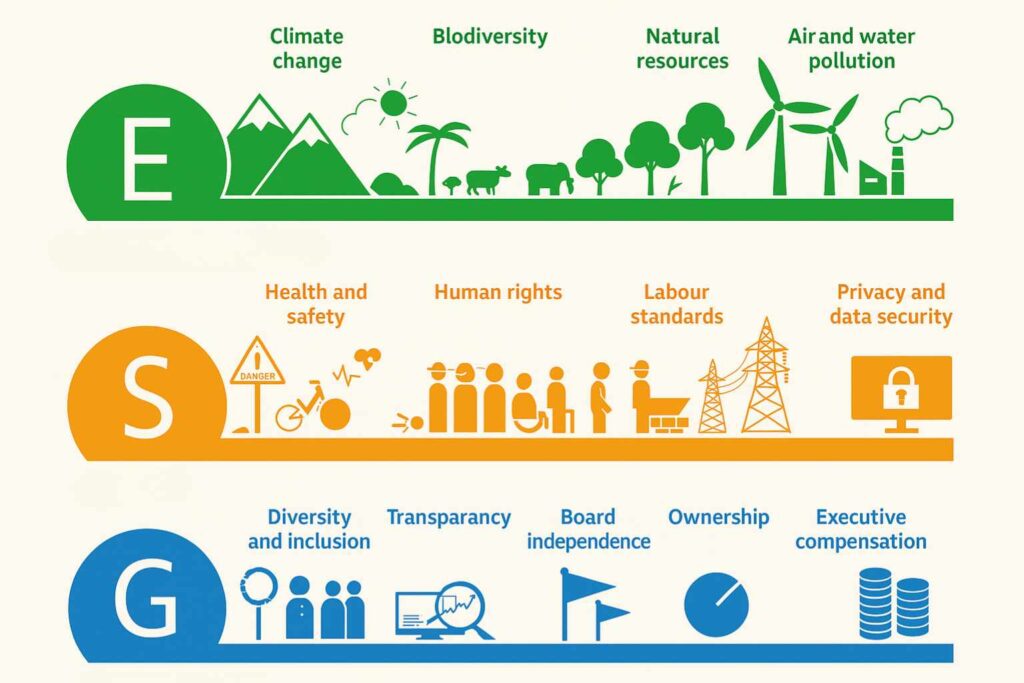
Company Investment in Sustainability: What’s Changing in 2025
The patchwork of one-off green projects is being replaced with more connected, long-term planning. Key shifts include:
- Circular thinking: Designing products to last, reuse, or return to nature.
- Nature repair: Investing in reforestation, soil health, and clean water as business assets.
- Digital tools: Using AI and real-time data to measure and manage emissions, waste, and water.
- Legal focus: Getting ahead of CSRD and other new reporting rules requiring full disclosure and transition plans.
The UK government is playing its part too. The Department for Energy Security and Net Zero has increased its capital spend by 16%, creating new public-private opportunities in areas like infrastructure and clean energy.

Company Investment in Sustainability: What Happens If You Wait?
The risks are growing:
- Missed funding
- Higher insurance premiums
- Increased operating costs
- Talent loss
- Supply chain exposure
- Legal penalties under new rules
- Investor pressure
In short, doing nothing may cost more than acting.
Company Investment in Sustainability: Wrap Up
Company investment in sustainability is no longer optional, it’s part of smart, long-term business planning.
The data from both global and UK sources show that budgets are rising, strategies are maturing, and the link between sustainability and resilience is clearer than ever. Firms that embed it into operations, engage their people, and stay ahead of regulation will be better placed to manage risk and seize new opportunities.
Those that don’t may find the cost of inaction harder to bear than the cost of change.
Invest In Sustainability Yourself!
If you liked our article on Company Investment in Sustainability, why not invest in sustainability yourself, by partnering with Play It Green?
You can integrate net zero action, education, tree planting, mangrove restoration, seaforestation and social impact into your life and business operations.
Whether it’s attracting and retaining staff, engaging consumers, meeting legislation or just getting ahead, joining Play It Green is simple, cost effective and helps!
What are you waiting for?