 Skip to content
Earth Hour: Introduction
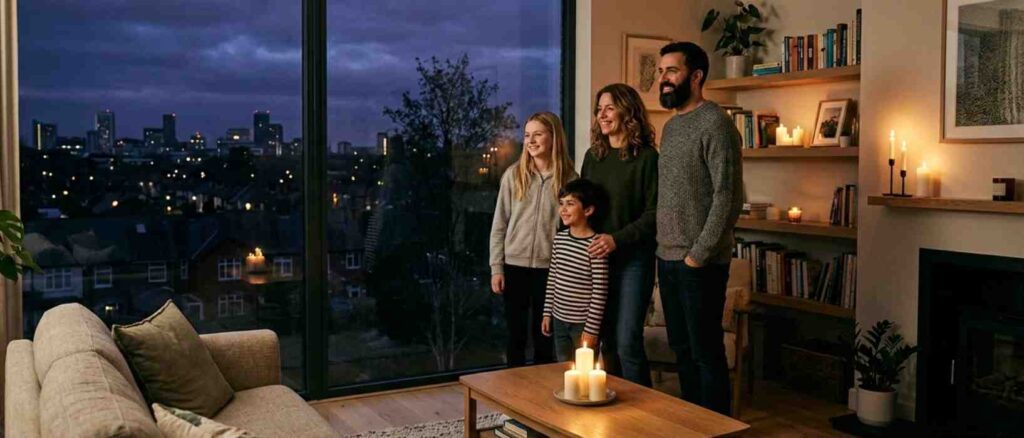
Earth Hour takes place tomorrow, the 28th March, when billions of people across the world switch off their lights at 8:30 pm local time. For sixty minutes, homes, offices and landmarks go dark in a coordinated reminder that energy use is something we can control rather than simply accept.
The hour has endured because it is visible. When entire cities dim at once, the message travels far beyond the room in which the switch is flipped. Yet the lasting value of Earth Hour does not sit in that single moment, it sits in what happens afterwards when the lights return, and everyday habits quietly resume. A sustainable switch-off begins with the hour, but it should not end there.

A Brief History of Earth Hour
Earth Hour began in Sydney in 2007, when around 2.2 million residents and more than 2,000 businesses turned off their lights to show concern about climate change. The idea was deliberately straightforward. If enough people acted at once, the scale would be impossible to ignore.

Within a year, the event expanded to 35 countries and major landmarks, including the Sydney Opera House and the London Eye, joined in, giving the movement global visibility. Participation has since grown to more than 190 countries, making it one of the largest coordinated environmental actions in the world.
Over time, Earth Hour has supported broader campaigns around marine protection, plastic reduction and renewable energy commitments. It was never designed to reduce global emissions in sixty minutes; its role has always been to make public concern visible and to show governments and businesses that people do notice how energy and environmental decisions are made.
The Environmental Impact
The temporary drop in electricity demand during Earth Hour is symbolic rather than transformative, it is simply a reminder of what can be. The more significant opportunity lies in the way energy is used every day, particularly through standby consumption.
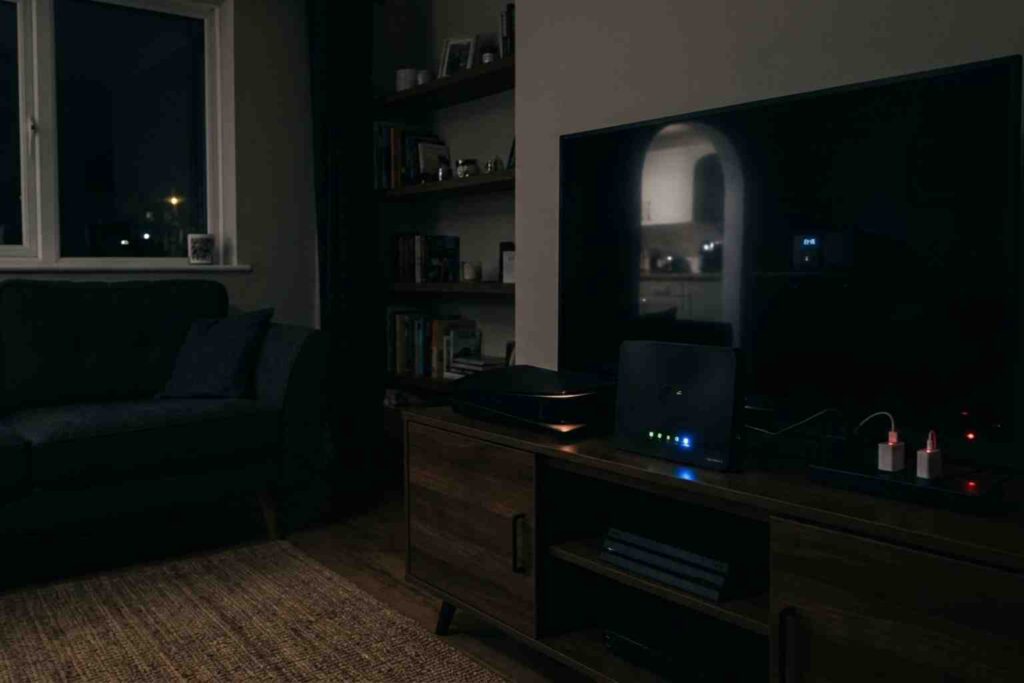
In the UK, standby or “vampire” power accounts for an estimated 9 to 16 per cent of household electricity use. Many devices continue drawing power even when they appear to be off, including televisions, game consoles, routers, microwaves and chargers left permanently plugged in.
With current energy prices, the average household can lose close to £200 each year through standby power alone. Across millions of homes, that unnecessary consumption creates a steady and avoidable load on the national grid. Although renewable generation continues to increase, the grid still relies on fossil fuel generation at certain times, especially during peak periods.
Reducing background consumption consistently has a greater cumulative effect than a single hour of coordinated darkness, because the small repeated decision to switch devices off properly rather than leave them idling adds up quickly over time.
What to Look For
Earth Hour provides a practical opportunity to assess where energy is being used without purpose. Walking through your home during the switch-off often reveals small standby lights that usually go unnoticed, yet signal ongoing electricity draw.
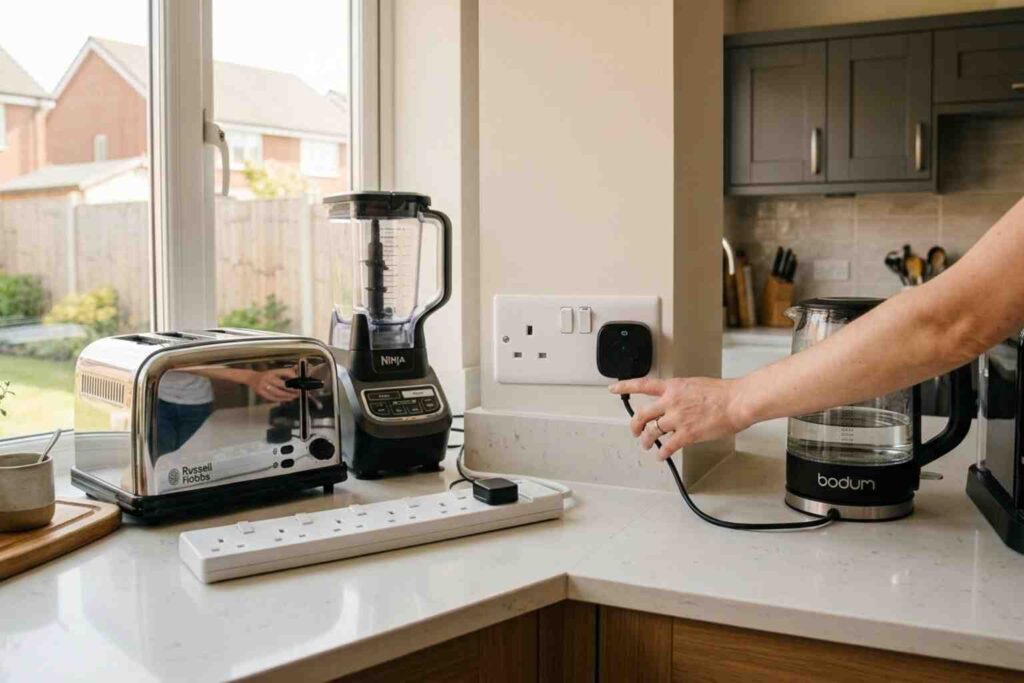
Switched extension leads can make a noticeable difference in areas where multiple devices are grouped together, such as media units or home offices. Turning off a single master switch removes background consumption from several appliances at once and requires no ongoing effort beyond the habit of using it.
Smart plugs that monitor energy use in real time can make consumption tangible rather than theoretical. Seeing the wattage drawn by a television or older appliance often changes behaviour more effectively than general advice about saving energy.
When replacing appliances, checking standby ratings is worthwhile. Current UK Eco-Design regulations require most new devices to use less than 0.5 watts in standby mode, yet older equipment may draw considerably more. Over time, replacing inefficient devices lowers electricity bills and reduces unnecessary energy demand.

Before looking at brands, it is worth remembering that Earth Hour is really about behaviour. Technology can help, although the real impact comes from noticing what is running in the background and building the habit of switching things off properly.
Three Brands That Support Smarter Energy Use for Earth Hour
TP-Link (Tapo Range)
TP-Link’s Tapo smart plugs allow users to monitor real-time energy consumption through a mobile app. Models such as the Tapo P110 show exactly how much electricity a device is using and allow you to schedule when appliances switch off completely. For households wanting to understand and control standby consumption more precisely, this visibility can make a practical difference.
Use code SPRING10 for 10% off site-wide
Website: https://www.tp-link.com/uk/home-networking/smart-plug/
Belkin
Belkin produces surge protectors and extension leads with integrated master switches, making it easier to cut power to multiple devices simultaneously. In rooms where televisions, speakers and consoles sit together, a switched outlet offers a simple way to stop several devices drawing power when they are not actually being used.
Belkin has a 20% discount offer for Earth Month starting on April 1st.
Website: https://www.belkin.com/uk/
Hive
Hive provides smart home controls that allow heating, lighting and connected plugs to be managed remotely and scheduled accurately. Setting clear schedules prevents heating or lighting systems from running longer than necessary, reducing background consumption across the home.
Use voucher code BLUELIGHT10 for 10% off your first order.
Website: https://www.hivehome.com/
Earth Hour: Wrap-Up
Earth Hour remains a powerful global signal that collective action can be visible and coordinated, although its real strength lies in the habits it encourages once the hour has passed.
Auditing sockets, removing standby waste and paying closer attention to background consumption are not dramatic changes, yet they compound quietly over time, and when thousands of households make small consistent adjustments the combined reduction becomes significant.
A sustainable switch-off begins with Earth Hour. It continues in the ordinary evenings that follow.
If you enjoyed this tip on Earth Hour, why not become part of a community creating positive change every day by joining Play It Green?
We help you reduce your footprint, repair the planet, and regive to social causes that matter, all through simple, measurable actions that fit your business.

Everyone wants to see impact, not promises. With Play It Green, your sustainability journey becomes visible, credible, and rewarding.
Join us today and turn good intentions into lasting results.


