 Skip to content
Sustainability News for May 18th: Introduction
The Sustainability News for May 18th arrives at a useful moment for the Play It Green community, with three stories showing how sustainability is moving into the machinery of business.
This week is about cleaner power, greener digital infrastructure, and corporate climate targets becoming more common across global markets.
The thread running through all three is delivery. Not perfect delivery, because that rarely exists. Real delivery means systems, standards, investment, pressure, and a willingness to deal with the boring operational detail that makes better outcomes possible.
That is where the useful work usually sits.

Britain’s Grid Hits a New Zero-Carbon Record
Britain’s electricity system has reached a new zero-carbon record, with the National Energy System Operator running the transmission network at 98.8 per cent zero-carbon between 15:30 and 16:00 on 22 April 2026. Gas fell to a historic low of 1.2 per cent of the energy mix at transmission and distribution level on the same day. Solar generation then set two maximum records across two consecutive days, reaching 15.4GW on 23 April
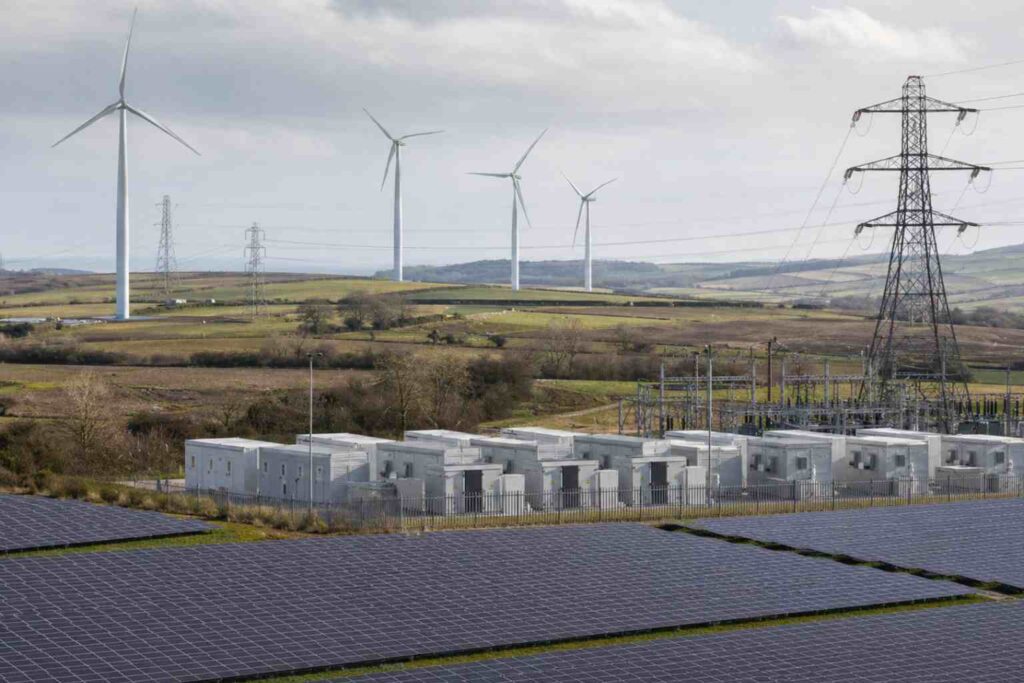
That is a serious moment, but the business lesson is more practical than celebratory. Cleaner electricity changes the value of electrification, building upgrades, electric vehicles, heat pumps, battery storage, and smarter energy use. It gives companies more reason to plan around cleaner power, rather than treating it as a distant promise.
The caveat is grid access. Clean generation only helps businesses properly when infrastructure, connections, pricing, and storage can keep pace. That is the dull bit, but dull does not mean minor.
For Play It Green readers, this is a reminder that climate action works best when it connects to real decisions, such as energy contracts, buildings, vehicles, and operating costs.
New Coalition Targets Greener AI Data Centres
A new Greening AI Data Centres Coalition has launched to create credible sustainability benchmarks for one of the fastest-growing building types in the world. The coalition brings together nine global bodies across building standards, green finance, real estate benchmarking, and sustainable construction, including BRE, Climate Bonds Initiative, GRESB, USGBC, and WorldGBC.
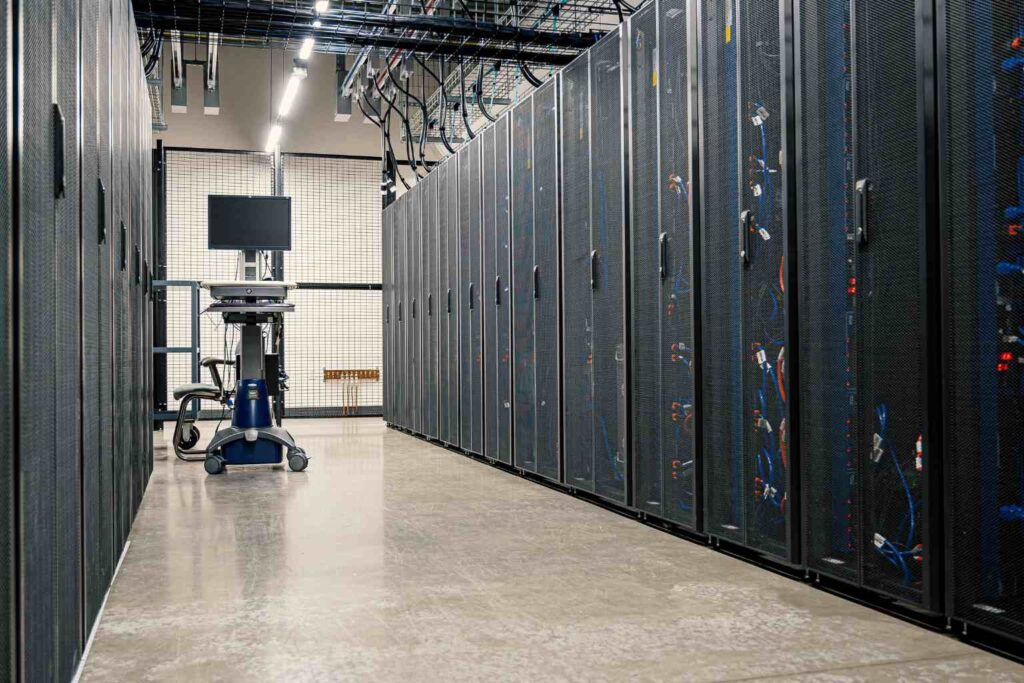
Its timing matters because AI is no longer only a software story. Behind every model sit buildings, electricity demand, water use, land pressure, local grid constraints, and communities that may not have asked to host the infrastructure. Data centres currently use roughly 1.5 to 2 per cent of global electricity, and demand is expected to more than double by 2030.
Under the coalition’s plans, new standards will cover energy, carbon, water, waste, biodiversity, and community impact. Credible green finance tools should then help investors and developers back data centre projects that meet those standards, rather than relying on vague claims.
That leaves a difficult delivery question. AI growth is moving faster than planning systems, water strategies, and energy infrastructure in many places, so the phrase “green data centre” only works if the evidence keeps up.
For businesses, this is where digital strategy and sustainability strategy start being part of the same story.
Corporate Climate Targets Grow by 40 Per Cent
The Science Based Targets initiative has reported a 40 per cent rise in companies with validated science-based targets during 2025. By the end of the year, 9,764 companies had validated targets, with the total passing 10,000 in January 2026. Validated net-zero targets grew by 61 per cent across the same period.

Asia saw the fastest regional growth, with a 53 per cent increase in companies setting science-based targets. Major economies such as China, Japan and India helped drive that rise, alongside emerging markets including Indonesia, Pakistan, Singapore and Thailand. Europe still leads in total target numbers, but Asia now accounts for 36 per cent of all targets.
For businesses, this suggests climate planning is moving beyond the usual early adopters and into wider market behaviour. Investor confidence, supplier expectations, customer scrutiny, and competitive positioning are all starting to pull in the same direction.
Of course, targets are only the beginning. A target does not cut emissions by itself, in the same way a gym membership does not magically produce gains. Deeply annoying, but true.

Sustainability News for May 18th: Wrap-Up
The Sustainability News for May 18th brings together cleaner power, greener digital infrastructure, and corporate climate targets, and the useful thread is that each story depends on delivery rather than intention.
That does not make the work easy. Grid delays, water pressure, data quality, supplier behaviour, and delivery gaps still matter. They matter more when the headlines sound positive, because that is when weak claims can sneak through wearing a nice jacket.
For the Play It Green community, the lesson is simple enough. Sustainability works when it is practical, evidenced, and connected to real business decisions.
That is the standard worth building around.
If you enjoyed the Sustainability News for May 18th, why not become part of a community creating positive change by partnering with Play It Green?
We help you reduce your footprint, repair the planet, and regive to social causes that matter, all through simple, measurable actions that fit your business.

Modern employees, consumers, and investors want to see impact, not promises. With Play It Green, your sustainability journey becomes visible, credible, and rewarding.
Join us today and turn good intentions into lasting results.


