Skip to content

Eco-Friendly Insect Repellent: Introduction
Eco-Friendly Insect Repellent is a timely topic for summer, when garden drinks, camping trips and evening walks can turn into an all-you-can-eat buffet for mosquitoes. It is one of those products many people buy in a hurry, usually after the first bite has already happened.
The greener choice is not always the one with the leafiest label, as some plant-based products work well, but others are not so useful. This week, we are looking at how repellents evolved, where the environmental concerns are, and how to choose protection that is kinder to your skin and the planet.

A Brief History of Insect Repellent
Humans have been trying to avoid bites for thousands of years. Long before modern sprays appeared, people used smoke, plant oils, clothing, nets and shelter to reduce contact with biting insects. Ancient communities burned herbs and resins to keep insects away from sleeping areas, livestock and food stores. It was practical, local and usually based on repeated observation rather than formal science.

Plant-based repellents became part of many traditions. Oils from citronella, neem, eucalyptus, lavender and other aromatic plants were used in different regions, with mixed levels of success. Some offered short periods of relief; others mostly made people smell like a walking herb garden. Still, the idea was simple: make human skin less appealing to insects.
Modern insect repellent changed in the twentieth century, when synthetic actives such as DEET became widely used by military personnel, travellers and outdoor workers. Later came ingredients such as icaridin, IR3535 and PMD, the active compound linked to oil of lemon eucalyptus. These ingredients brought longer-lasting protection and clearer testing.
Today, Eco-Friendly Insect Repellent sits at the meeting point between older plant knowledge and modern evidence. That is useful, as the environmental cost of overused or poorly chosen repellents is now much harder to ignore.
The Environmental Impact of Conventional Insect Repellent
Conventional insect repellents can create environmental pressure through ingredients, packaging and poor product choice. DEET remains one of the most widely used repellents in the world, and it has helped protect millions of people from mosquito-borne disease. The problem is not careful use in higher-risk settings, but routine overuse where lower-impact options may work well.

Research has detected DEET in many water systems, including wastewater, surface water and groundwater. Conventional wastewater treatment does not always remove it effectively, which means residues can pass into rivers and wider ecosystems. That does not make every use irresponsible, but it does show why casual spraying deserves a second thought.
Packaging adds another issue when aerosols, mixed plastic caps, and small travel bottles, all throwaway formats, increase waste, especially during summer travel season. A product used for a week on holiday can leave packaging that lasts far longer than the tan, assuming the weather grants one.
There is a greenwash problem too, as some “natural” products perform badly, which can lead people to apply more, buy again, or lose trust in better plant-based options. Eco-Friendly Insect Repellent needs to work first, because if it fails, it is wasted money, wasted packaging and a very itchy evening.
What to Look For in Eco-Friendly Insect Repellent
Choosing Eco-Friendly Insect Repellent starts with the active ingredient. For low-risk UK use, DEET-free products made with tested actives such as PMD, icaridin or IR3535 can offer strong protection with a lower-impact profile. PMD, often linked to oil of lemon eucalyptus or Citriodiol, is the main plant-derived active to look for, as it has stronger evidence than many general aromatic oil blends. It is recognised for use in disease prevention settings, including tropical areas, and research has shown PMD can offer protection that competes with DEET when used correctly.

For travel to areas with malaria, dengue, Zika or other mosquito-borne disease risks, health protection must come first. UK travel guidance recommends 50% DEET for malaria-risk areas, with other proven actives such as PMD used where DEET is not tolerated. A greener choice should never mean a weaker choice when disease risk is present.
Packaging matters too, and it helps to look for pump sprays rather than aerosols where possible. Recyclable bottles, aluminium packaging, refill options and clear disposal guidance all help.
Be wary of bracelets, candles and sprays built mainly around citronella or fragrance. They may smell pleasant, but your ankles definitely deserve stronger science. The best Eco-Friendly Insect Repellent is honest, tested, clearly labelled and suited to the situation you are actually in.

Three of Our Favourite Eco-Friendly Insect Repellent Brands
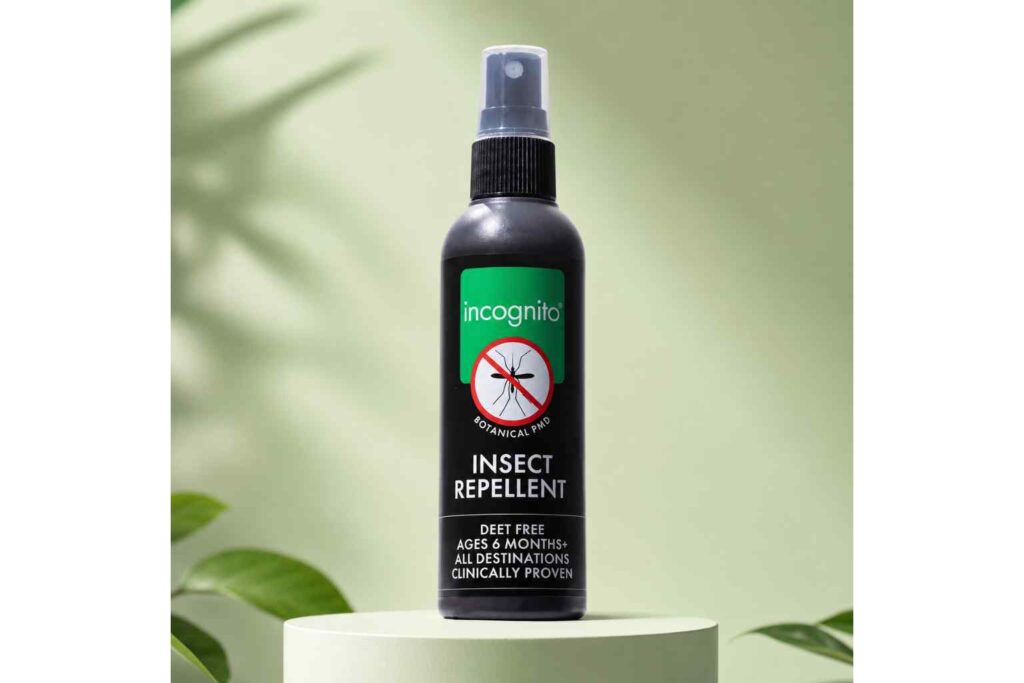
incognito
incognito is a strong fit for anyone wanting a plant-based option with a clear sustainability story. Its repellents use PMD, are DEET-free, and have recyclable packaging and charitable giving. Their products containing PMD have been tested by the London School of Hygiene & Tropical Medicine and proven to be 100% effective against mosquitoes which can carry dengue, Chikungunya, Yellow fever, and Zika for up to 4 hours, with good protection up to 8 hours.
Use the voucher code PLAYITGREEN15 or click the link to get 15% off your first order. Offer ends Sept 13th, can’t be used in conjunction with other offers and can only be used once per person.
Website: https://www.lessmosquito.com/discount/PLAYITGREEN15
LifeSystems
LifeSystems Expedition Natural is a practical outdoor option for camping, hiking, festivals and family travel. It contains 30% PMD Citriodiol, comes in a durable aluminium bottle with a leak-proof pump spray, and is positioned for protection against mosquitoes, midges, gnats and ticks. It feels less lifestyle-led than some brands, which is part of the appeal. It is made for real outdoor use.
Use voucher code PLAYITGREEN15 for 15% off your first order. Offer lasts for six weeks from publication of this article, and the offer can’t be used in conjunction with other offers and one use per person.
Website: https://www.lifesystems.co.uk

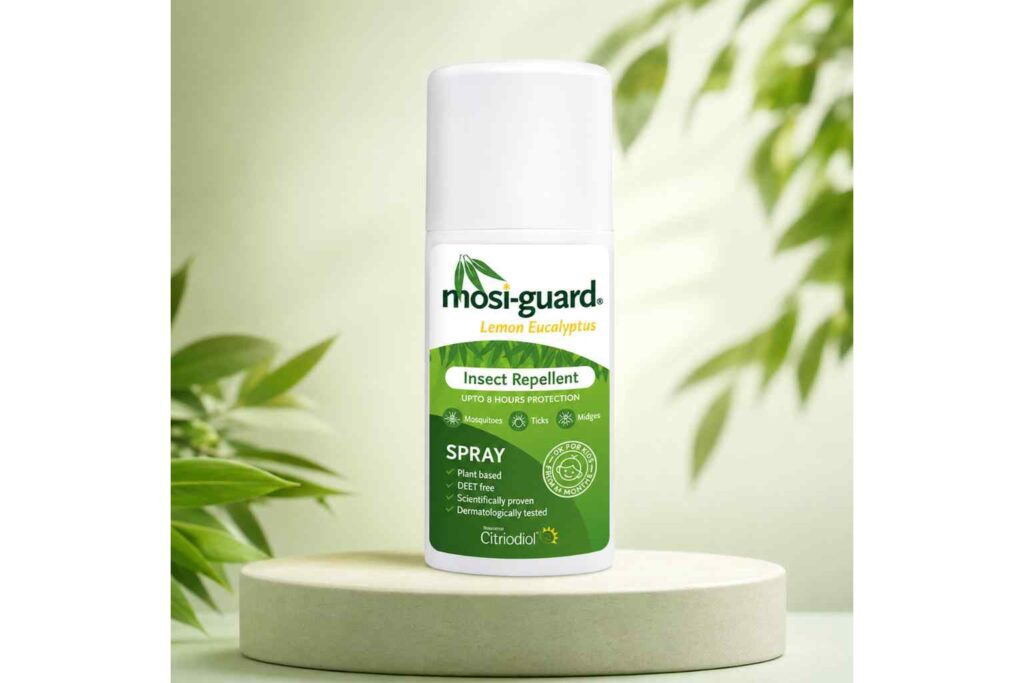
Mosi-guard
Mosi-guard uses Citriodiol, a plant-based active derived from oil of lemon eucalyptus. The brand is UK-manufactured, DEET-free and built around evidence-led protection against mosquitoes, midges, ticks and other biting insects. It is a good option for people who want a lower-impact product without falling into the trap of weak fragrance-based sprays. That balance earns it a place in our Eco-Friendly Insect Repellent shortlist.
Website: https://www.mosi-guard.com
Play It Green members may get the chance to win products from this week’s featured brands – keep an eye out in your newsletter, and if you aren’t a member yet, now might be a great time to join us! Terms and conditions apply.
Eco-Friendly Insect Repellent: Wrap-Up
Eco-Friendly Insect Repellent works best when protection, evidence and lower impact are treated together. A good choice should help prevent bites, reduce unnecessary chemical use, and avoid excess packaging. For everyday UK summer use, tested DEET-free options can make sense, and for higher-risk travel, official health advice should lead the decision.
At Play It Green, we believe progress comes from practical swaps that people can keep using. When enough people choose better products, use only what they need and avoid greenwash, small summer habits start to create wider change.
If you enjoyed this tip on Eco-Friendly Insect Repellent, why not become part of a community creating positive change every day by joining Play It Green?
We help you reduce your footprint, repair the planet, and regive to social causes that matter, all through simple, measurable actions that fit your business.

Everyone wants to see impact, not promises. With Play It Green, your sustainability journey becomes visible, credible, and rewarding.
Join us today and turn good intentions into lasting results.