

Sustainability News for January 19th: Introduction
Sustainability News for January 19th highlights progress that feels grounded rather than headline-hunting. These are stories about momentum quietly building across transport and energy, supported by policy, investment, and practical delivery.
From the UK car industry moving closer to its electric vehicle targets, to Japan backing low-carbon electricity with serious financial support, and Britain’s grid edging towards record-low carbon intensity, this week shows what happens when planning meets follow-through.

UK Car Industry on Track to Meet 2025 EV Sales Target
The first story of sustainability news for January 19th shows that a new analysis from the Energy and Climate Intelligence Unit suggests the UK car industry is on course to meet the Government’s electric vehicle sales requirements for 2025, despite earlier concerns.
Under the Zero Emission Vehicles mandate, manufacturers must increase the proportion of zero-emission car sales each year ahead of the 2030 phase-out of petrol and diesel vehicles. The headline target for 2025 stands at 28 per cent.
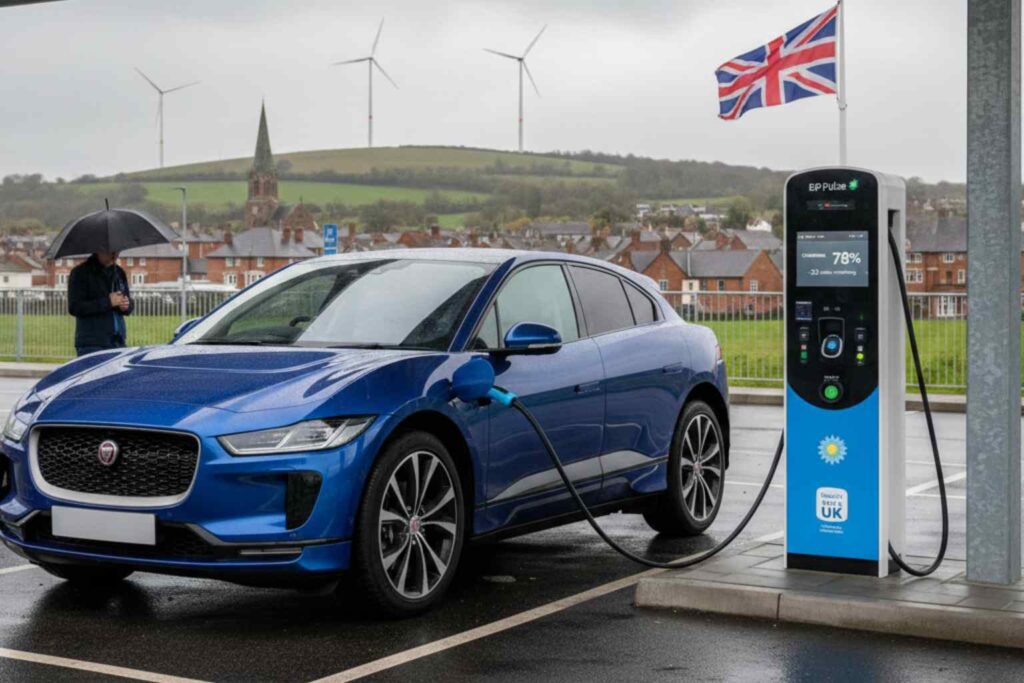
The ECIU analysis shows that built-in flexibilities within the policy reduce the effective requirement across the industry to around 20.4 per cent. These flexibilities allow lower-emission petrol and diesel models to count towards compliance, helping cut tailpipe emissions without relying solely on EV sales.
Between January and November 2025, EVs made up 22.7 per cent of new UK car sales, already exceeding the level required for compliance. In 2024, the industry reached a 24.3 per cent compliance rate, above that year’s target.
ECIU head of transport Colin Walker said the figures show claims about targets being unachievable do not hold up. He also warned that weakening UK rules could slow EV adoption and damage the second-hand market, keeping drivers locked into higher running costs for longer.
Japan Commits $1.3bn to Low-Carbon Electricity Procurement
The second story of sustainability news for January 19th sees that Japan has announced a major new subsidy programme worth 210 billion yen, around $1.3bn, aimed at accelerating the shift to low-carbon electricity across industry.
From 2026, companies using electricity from renewable or nuclear sources will be eligible for subsidies covering up to half of their capital investment costs. Higher support will be available for firms that help fund new local generation capacity or contribute to regional economic development.
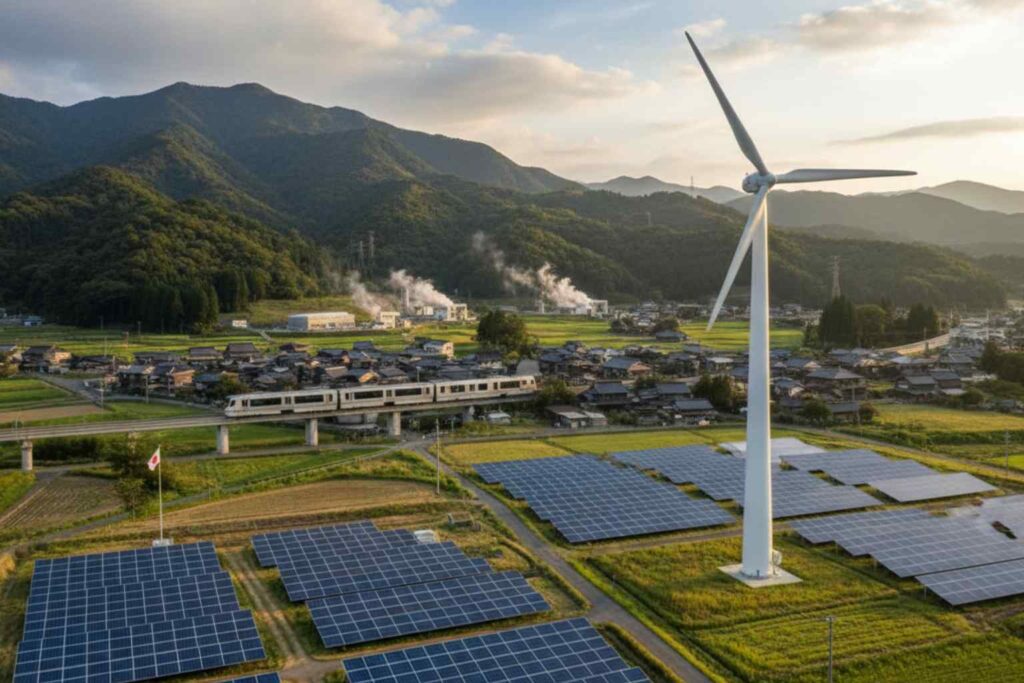
The scheme reflects the scale of change Japan faces. Renewables and nuclear currently account for roughly 31.5 per cent of the country’s electricity mix, well below the global average. By 2040, Japan aims to reach 50 per cent renewables and 20 per cent nuclear.
Pressure from the private sector has been growing, with many businesses struggling to access clean electricity needed to meet their climate commitments. Groups such as the Climate Group have repeatedly flagged procurement barriers through initiatives like RE100.
The subsidies signal a shift in approach. Rather than placing the burden solely on companies, government funding is being used to unlock investment, speed up infrastructure, and support regional development.
Britain’s Grid Nears Record-Low Carbon Intensity
Britain’s electricity system reached historic lows for carbon intensity, according to forecasts from the National Energy System Operator.
Mild, windy conditions over Christmas 2025, combined with rapid growth in renewables and storage, are expected to push emissions lower than ever before. Britain now has 53GW of operational renewable capacity, boosted by an additional 2GW of wind and 3GW of solar connected during the year.

Battery storage continues to play a critical role. Since last Christmas, 3.1GW of storage has been added, bringing total capacity close to 9GW. This allows more clean power to be used rather than curtailed.
NESO director Craig Dyke said the grid ran at 97.7 per cent zero-carbon in 2025 for the first time in history, a striking contrast with the fossil-fuel-heavy systems of the past.
Lower demand on Christmas Day also contributes, with energy use around 20 per cent below winter averages. Improved appliance efficiency and changing viewing habits continue to flatten demand spikes.

Wrap-Up
The Sustainability News for January 19th reflects a pattern we see again and again. Progress accelerates when systems are given time to work.
EV adoption is rising because targets stayed in place. Japan is unlocking clean energy by sharing the investment load. Britain’s grid is cutting emissions through steady build-out, not shortcuts.
At Play It Green, our community understands this approach. Change sticks when it fits real-world economics and daily decisions. These stories show that long-term thinking still pays off, for businesses, for people, and for the planet.

If you enjoyed the Sustainability News for January 19th, why not become part of the next positive story by partnering with Play It Green?
We help you reduce your footprint, repair the planet, and regive to social causes that matter, all through simple, measurable actions that fit your life and business.
Modern employees, consumers, and investors want to see impact, not promises. With Play It Green, your sustainability journey becomes visible, credible, and rewarding.
Join us today and turn good intentions into lasting results.