

Nature Repair Report for March 2025: Introduction
At Play It Green, real action is making a tangible difference. This month’s Nature Repair Report for March 2025 highlights the incredible impact being made in restoring vital ecosystems.
Nature-based solutions could provide a $10 trillion business opportunity by 2030. Investing in environmental restoration can drive innovation, strengthen economies, and future-proof businesses against climate risks.
With 123,662 planted already, this month, the focus is on sea kelp, a remarkable carbon sink and ocean ecosystem builder. With its ability to absorb carbon, protect coastlines, and support biodiversity, kelp plays a vital role in the health of marine environments. Through our work, restoration efforts are measurable, blockchain-protected, and impactful for generations to come.

The History of Kelp Degradation
Kelp forests have flourished in our oceans for millennia, supporting marine biodiversity and coastal communities. Indigenous groups in the Pacific Northwest have long relied on kelp for food, medicine, and cultural practices. These underwater forests provide shelter and breeding grounds for countless marine species, from fish to invertebrates.
Yet, despite their resilience, kelp forests are in crisis. Over the past 50 years, over 40% of global kelp forests have disappeared due to climate change, pollution, and overharvesting. In British Columbia, this loss threatens marine life such as herring, salmon, and rockfish, as well as the livelihoods of Indigenous communities. Without urgent intervention, one of nature’s most powerful carbon capture solutions could be lost.

Restoring Kelp Forests: How Change is Happening
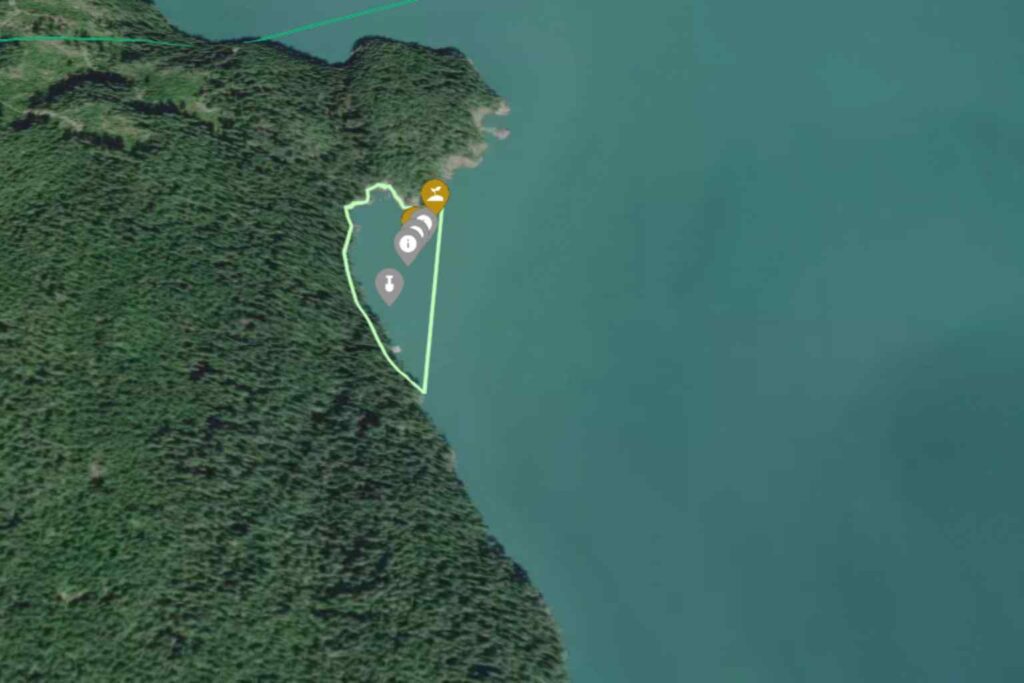
As part of our Nature Repair Report for March 2025, you can see why Play It Green is partnering with veritree, Coastal Kelp, and the Sechelt First Nations to restore these vital ecosystems. Efforts are focused on reintroducing bull kelp and sugar kelp to Indigenous waters in Hotham Sound and Powell River, British Columbia. Using innovative methods such as kelp sporophytes on seeded lines and green gravel, these underwater forests are being actively restored, bringing life back to the ocean floor.
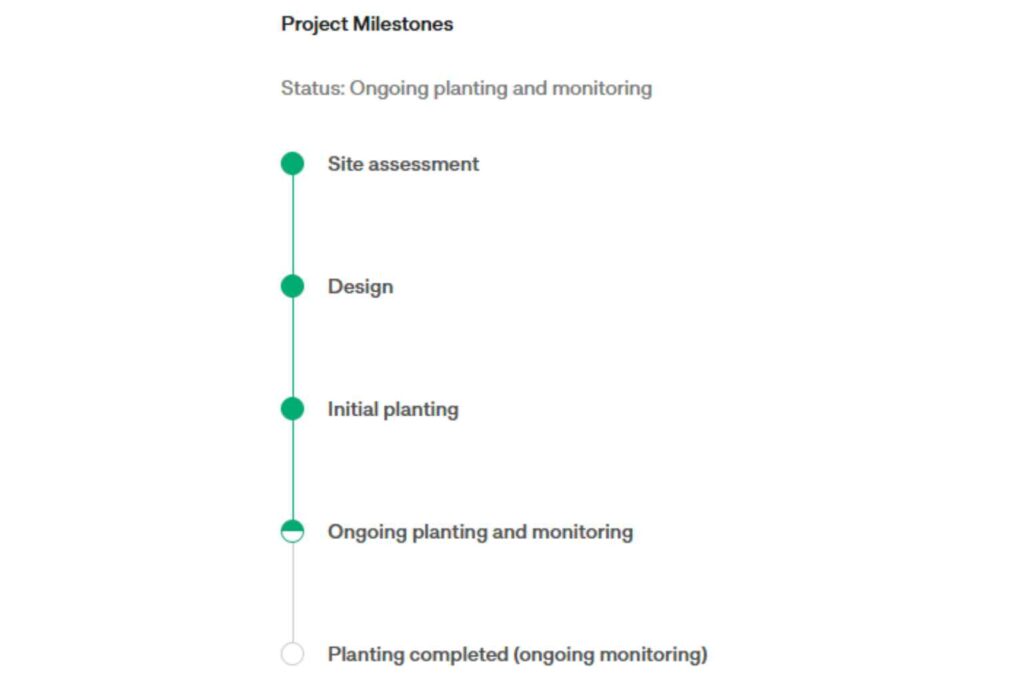
So far, the 123,622 sea kelp plants that have been introduced have an estimated yield of 3.6 tonnes per hectare. To track their growth, a combination of remote sensing, underwater drones, and environmental DNA sampling is used, ensuring that restoration efforts are successful and measurable. This technology allows for monitoring kelp density, assessing health, and tracking the recovery of marine species that rely on these ecosystems.
The Environmental and Economic Impact of Seaforestation
Restoring kelp forests provides a wealth of environmental, economic, and social benefits:
- Carbon Sequestration – Kelp captures and stores carbon at an impressive rate, reducing CO2 levels and helping to mitigate climate change.
- Coastal Protection – Kelp acts as a natural barrier, absorbing wave energy and preventing shoreline erosion, which is increasingly vital as sea levels rise.
- Water Quality Improvement – By absorbing excess nutrients such as nitrogen and phosphorus, kelp reduces ocean pollution and helps prevent harmful algal blooms.
- Fisheries Support – Healthy kelp forests provide spawning grounds and shelter for fish, crabs, and shellfish, ensuring sustainable fisheries for generations.
- Ocean Acidification Mitigation – As kelp absorbs CO2, it helps stabilise ocean pH, which is critical in protecting coral reefs and marine life from acidification.
- Sustainable Resources – Kelp has applications in sustainable products, from biodegradable packaging to biofuels and plant-based nutrition, supporting green industries.
Measuring the Impact: People, Ocean, and Biodiversity
Restoration efforts are carefully monitored to ensure they bring tangible benefits to people, the ocean, and biodiversity.
- People: Kelp restoration strengthens coastal communities, providing jobs in marine conservation, sustainable fisheries, and regenerative ocean farming. Indigenous groups involved in restoration projects also maintain their cultural connection to the ocean, ensuring traditional knowledge is preserved and applied to modern conservation efforts.
- Ocean: Healthy kelp forests support marine ecosystems by regulating CO2 levels, improving water clarity, and stabilising marine habitats. These benefits extend to industries such as eco-tourism and sustainable fisheries, both of which depend on thriving marine environments.
- Biodiversity: Kelp forests are biodiversity hotspots, offering food, shelter, and breeding grounds for countless species. From sea otters and rockfish to plankton and seabirds, these forests underpin entire marine food webs. By tracking species recovery through environmental DNA sampling and acoustic monitoring, the impact of restoration efforts can be measured in real time.
Nature Repair Report for March 2025: Scaling Up Nature-Based Climate Solutions
Seaforestation is proving to be one of the most promising nature-based climate solutions. Play It Green is committed to scaling up its impact and working with partners to expand the reach of these initiatives. The mission is clear: restore nature, empower communities, and fight climate change with every kelp forest planted.
By increasing tree, mangrove, and kelp restoration efforts, real change is being driven toward a healthier, more sustainable world.
Partner with Play It Green to Add Seaforestation to Your Business
Businesses can integrate nature restoration into their operations by partnering with Play It Green. Whether the goal is to add seaforestation and other impactful sustainability initiatives to a sales process or to enhance environmental credentials, the tools and support are there to make it happen. Plus, support on a sustainability journey is provided free of charge, ensuring businesses take meaningful steps towards a greener future.
Every action taken contributes to restoring the planet.
Want more info before deciding? Click here.